KOTAMON Cards Guide: Find, Repair, Swap, and Complete Sets
Learn how to find KOTAMON cards, manage condition, repair damaged cards, swap duplicates, spot foil cards, and complete color sets.
KOTAMON Cards Guide: Find, Repair, Swap, and Complete Sets
KOTAMON cards turn the game's garbage-sorting loop into a long-term collecting challenge. As you search the dump site, you can uncover character cards, organize them into color sets, repair damaged finds, swap duplicates, and look for rare foil versions.
This guide explains the KOTAMON card system and gives a practical collection strategy without assigning cards to unconfirmed locations or inventing drop rates.
For current game information, platform details, and release updates, visit the official KOTAMON Steam store page.
What Are KOTAMON Cards?
KOTAMON is a single-player, first-person garbage-sorting simulation. The main loop involves searching through a dump site, completing requests from its owner, finding misplaced valuables, and improving your equipment and efficiency.
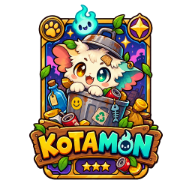
Cards are one of the game's collectible goals. The collection includes dozens of unique cards featuring hand-drawn character artwork. Cards can also be grouped into color sets, with rewards and rare foil discoveries adding extra reasons to keep searching after you have found your first few cards.
The important features of the KOTAMON card collection are:
| Feature | What it means for collectors |
|---|---|
| Unique cards | The collection contains dozens of different cards rather than one repeatable item |
| Character artwork | Hand-drawn characters make visual identification useful when checking new finds |
| Card condition | The condition of a card affects how you should evaluate, repair, or exchange it |
| Color sets | Cards can be organized into themed color groups for collection progress |
| Card repairs | Damaged finds can be repaired as part of the collection loop |
| Swapping | Duplicate cards can be useful when exchanging them for cards you still need |
| Foil cards | Rare foil versions give experienced collectors another target to pursue |
| Collection rewards | Completing collection goals can provide rewards in addition to the satisfaction of filling the set |
The game information confirms these broad systems, but it does not establish a universal card-by-card location list or fixed odds for individual cards.
How to Find KOTAMON Cards
Search the dump site carefully
The most direct way to find KOTAMON cards is to search through the garbage and inspect the items you collect. Cards are part of the wider discovery loop, so card hunting works best when you treat every search as both a sorting task and an opportunity to find something valuable.
A fast search is not always an efficient search. Move through an area in a consistent pattern and check items before discarding or moving on. This makes it easier to notice a new card, a duplicate, or a card in noticeably different condition.
Work in repeatable passes
Use a simple search routine:
- Choose a section of the dump site.
- Search that section from one edge to the other.
- Separate likely cards and other valuables from ordinary rubbish.
- Check the cards you found before leaving the area.
- Record new cards, duplicates, damaged cards, and foil cards.
- Move to the next section and repeat the process.
A repeatable route reduces the chance of overlooking a collectible. It also makes it easier to compare your results across multiple searches without relying on memory.
Complete owner requests as part of normal progression
Requests from the dump owner are part of KOTAMON's core gameplay loop. Completing them helps you make progress through the wider simulation while you continue searching for cards.
The available game information does not confirm that every request guarantees a specific card. Treat requests as part of your overall progression rather than assuming that a particular task unlocks a particular collection entry.
Use upgrades to improve search efficiency
KOTAMON includes progression connected to equipment and player efficiency. Use those improvements to make repeated sorting and searching less time-consuming.
Do not assume that an equipment upgrade changes card rarity or guarantees a foil card unless the game explicitly says so. The safest expectation is that upgrades improve the general work of searching, while the collection itself still requires careful inspection and persistence.
Understanding Card Condition
Condition is important because two copies of the same card may not be equally useful. A damaged card can still matter for your collection, but its condition should be considered before you repair, swap, or set it aside.
When you find a card, check:
- Whether it is new or already present in your collection
- Its current condition
- Whether it belongs to a color set you are completing
- Whether it is a foil version
- Whether you already have a better-condition duplicate
Keep at least one copy of every card until you have checked your collection progress. A duplicate that looks unnecessary may be the best available copy for a set, a future exchange, or a foil comparison.
How to Repair KOTAMON Cards
Repairing cards is useful when a damaged find is preventing you from maintaining a stronger collection. The exact repair requirements should be checked in the game because costs, available interactions, and progression requirements can depend on your current state.
A practical repair process is:
- Inspect the card and confirm that its condition is the issue.
- Check the available repair interaction and its requirements.
- Compare the card with your other copies.
- Repair cards that fill a missing collection entry or improve a key set.
- Recheck the card after repair and update your collection notes.
Repairing every card immediately is not always the best use of resources. If you have several copies, repair the copy that contributes most to your current goal. A missing card may deserve priority over a duplicate that is already in good condition.
Before repairing a foil card, verify how the game identifies its special status. A foil should be treated as a separate collection target if the inventory or collection screen distinguishes it from a standard copy.
How to Swap Duplicate Cards
Duplicates are not automatically worthless. They can help you complete color sets or provide material for the game's card-swapping system.
Before you swap a duplicate, review these points:
- Do you have another copy of the card?
- Is the duplicate in better condition than your other copy?
- Is it a foil version?
- Does the card belong to a set you are close to completing?
- Will the exchange provide a card you genuinely need?
The safest rule is to protect your last usable copy of every card. Once you have confirmed that a card is securely represented in your collection, use surplus copies for exchanges when the trade advances a clear goal.
Do not evaluate a card only by whether its name appears in your collection. Condition, set progress, and foil status can all affect whether a duplicate is worth keeping.
Color Sets and Collection Rewards
Color sets give the KOTAMON card collection a structure beyond finding individual cards. Instead of treating each discovery as an isolated item, track which colors are complete and which cards are still missing from each group.
A useful collection checklist includes:
| Collection detail | Why to track it |
|---|---|
| Card name or artwork | Prevents repeated searches for a card you already have |
| Color set | Shows which group is closest to completion |
| Condition | Helps you choose which copy to repair or keep |
| Duplicate count | Identifies cards that may be available for swapping |
| Foil status | Separates rare variants from standard cards |
| Reward status | Shows whether a set or collection goal has been completed |
When you are close to completing a color set, prioritize its missing cards over general collecting. After a set is complete, check the collection interface for any available reward or completion state.
The supplied game information does not provide a complete list of set names or the exact reward for each set. Those details should be verified in the current game rather than copied from an unofficial checklist.
Finding Rare Foil Cards
Foil cards are rare versions that give collection-focused players an additional objective. Because the available information does not specify foil drop rates, fixed locations, or a guaranteed route, the best approach is to inspect every promising find and maintain accurate collection records.
To improve your chances of noticing foil cards:
- Check new cards individually instead of sorting them only by name.
- Compare the card's appearance and collection entry with standard copies.
- Keep foil duplicates until you understand their exchange value.
- Avoid discarding an unusual-looking card before checking its details.
- Record foil discoveries separately from ordinary cards.
A foil card should not be exchanged simply because it is a duplicate. Confirm that the duplicate is not a special variant and that the proposed swap improves your collection.
An Efficient KOTAMON Card Strategy
The most reliable collection strategy combines searching, sorting, repairs, and deliberate exchanges.
Early collection phase
At the beginning, focus on learning the search loop and identifying how the game displays cards. Keep new finds and duplicates while you learn how condition and collection tracking work.
Avoid spending all available resources on minor improvements to common duplicates. Early progress is more useful when it improves your ability to search and understand the collection.
Mid-game collection phase
Once you recognize the card interface, start organizing your goals:
- Identify incomplete color sets.
- Keep the best-condition copy of each card.
- Mark duplicates that are safe to swap.
- Separate foil cards from standard cards.
- Repair cards that complete an important set.
- Use equipment upgrades to make repeated searches more efficient.
This phase is where a simple inventory note or checklist becomes valuable. It prevents accidental exchanges and shows which cards deserve priority.
Completion phase
When most of the collection is complete, switch from broad searching to targeted verification. Review every color set, inspect condition, and check for foil versions before declaring the collection finished.
A complete standard collection and a complete foil collection may be different goals. Use the in-game collection screen as the final authority for what remains missing.
Common KOTAMON Card Mistakes
Assuming a fixed card location
A guide should not claim that a specific card always appears in a particular pile, container, or area unless the game confirms that behavior. Search the dump site systematically and rely on your own collection records.
Discarding every duplicate
Duplicates may be useful for swapping, set completion, or condition comparisons. Keep them until you know which copy is safest to exchange.
Repairing without checking priorities
Repairing a card can be helpful, but resources and time may be limited. Compare the card with your current collection first and prioritize missing entries or important set completions.
Missing foil status
A foil card may look similar to a standard card at a glance. Inspect unusual finds and verify their collection details before exchanging or discarding them.
Chasing unverified drop rates
There is no confirmed universal drop-rate table in the supplied game information. Be cautious with claims that a specific action, area, or upgrade guarantees a card or foil variant.
KOTAMON Cards FAQ
Where can you find KOTAMON cards?
You find KOTAMON cards while searching the dump site and sorting through discarded items. The official game information does not confirm a fixed location for each individual card.
How many KOTAMON cards are there?
KOTAMON includes dozens of unique cards. The exact collection count can change with game updates, so check the current in-game collection and official Steam listing for the latest information.
Can you repair damaged KOTAMON cards?
Yes. Card repair is part of the collection system. Check the in-game repair interaction for the current requirements, then prioritize cards that fill missing entries or advance a color set.
Can you swap duplicate KOTAMON cards?
Swapping duplicates is part of the card-collection strategy. Keep a secure copy of each card and verify condition and foil status before exchanging a duplicate.
What are KOTAMON foil cards?
Foil cards are rare versions of collectible cards. They are an additional target for collectors, but the available official information does not specify exact foil odds or guaranteed locations.
Do KOTAMON cards have different conditions?
Condition is a relevant part of managing the collection. Inspect the state of each find, compare duplicate copies, and use repairs when they provide meaningful collection progress.
What is the best way to complete the KOTAMON card collection?
Search methodically, record new cards and duplicates, prioritize incomplete color sets, repair useful damaged cards, and swap only surplus copies. Check the collection screen regularly so that a standard collection and any foil goals are tracked separately.
Final Collection Checklist
Before you finish a KOTAMON card set, confirm that you have:
- Checked every new card in the collection interface
- Recorded duplicate cards
- Kept the best available copy of each entry
- Reviewed card condition
- Repaired priority cards
- Verified color-set progress
- Separated foil cards from standard cards
- Avoided exchanging your last useful copy
- Checked for available collection rewards
KOTAMON cards reward careful searching more than guesswork. Build a consistent route through the dump site, use the game's repair and swap systems deliberately, and let the collection screen determine what is still missing. For the latest official details about KOTAMON, refer to the game's Steam store page.
Related Guides
KOTAMON All Cards Guide: Find, Repair, and Complete the Collection
Use this KOTAMON all cards guide to organize your search, repair damaged finds, target foil cards, and complete color-based sets.
KOTAMON card collection guide: Find, Repair, Trade, and Complete Every Set
Build your KOTAMON card collection with practical tips for trash-site searches, set rewards, repairs, swaps, foil finds, and upgrades.
KOTAMON Card Game Guide: How the Trash-Sorting Collection Works
Looking for a kotamon card game guide? Learn KOTAMON's trash-sorting loop, card condition, repairs, swaps, foil finds, and early upgrade priorities.
KOTAMON Card Locations: Where to Find Cards and Foils
Searching for kotamon card locations? Learn where KOTAMON cards and foil cards are found, how to search the dump, and how to complete sets.