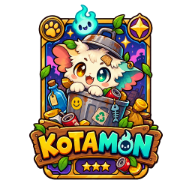
KOTAMON Characters Guide: Cards, Rarity, Repairs, and What Collectors Should Know
Explore KOTAMON characters, collectible card examples, color sets, rare foils, condition, repairs, swaps, and efficient collection tips.
What KOTAMON Characters Actually Are
Finding a strange collectible in a garbage pile is the central appeal of KOTAMON, but the real prize is often the character card hidden among the trash. If you are searching for KOTAMON characters, think of them first as collectible card subjects rather than a conventional party roster. This KOTAMON characters guide explains what the available game information confirms, which examples have been shown, and how to build a smarter collection without guessing at unpublished details.
KOTAMON is a single-player simulation game from KotaMota Games and publisher Polnoch. The official KOTAMON Steam listing describes a first-person garbage-sorting loop built around finding cards, restoring damaged collectibles, completing color-based sets, and discovering valuable objects.
The available sources do not provide a complete character encyclopedia. They do, however, establish how character cards fit into the game and what collectors should look for.
| Topic | What the available material confirms | Practical takeaway |
|---|---|---|
| Character role | Different KOTAMON characters appear on collectible cards | The card collection is the main way players encounter them |
| Collection size | The game includes dozens of unique cards | The known examples are only a small part of the collection |
| Artwork | Cards use hand-drawn illustrations | Visual design is a major part of collecting |
| Set structure | Cards can be grouped into sets of different colors | Color should be recorded when sorting cards |
| Rare finds | An unopened cereal box may contain a super-rare foil card | Cereal-box finds deserve special attention |
| Card condition | Cards may be crumpled, damaged, or torn, then mended or swapped | Condition affects how valuable a card becomes |
| Progression | The Steam listing includes 40 achievements | Collection progress can contribute to broader completion goals |
The important distinction is that KOTAMON presents its characters through a trading-card collection system. The supplied information does not confirm a playable character roster, character classes, party battles, or a complete list of individual abilities.
The KOTAMON Characters Shown So Far
A responsible KOTAMON characters guide should separate identifiable examples from assumptions. The available preview material shows card interfaces and artwork, but it does not publish a full name-by-name catalog.
Two card references are especially useful because they demonstrate the range of information players may encounter while searching the dump site.
| Card or reference | What is shown | What is not confirmed |
|---|---|---|
| MerkotA | A rare MerkotA trading card appears in a card popup with HP and ATK fields | The complete backstory, color group, drop location, and purpose of the stats are not provided |
| Angel | A shiny Angel card is shown on a workbench while the player holds a toothbrush-like tool | The card's exact condition, value, set, and statistics are not identified |
| Unnamed character cards | A developer update refers to collectible cards featuring different KOTAMON characters | No complete roster or official character biographies are supplied |
| Familiar-looking designs | The developer indicates that some card characters may feel familiar to players | No specific identity, license, crossover, or official inspiration is confirmed |
MerkotA is the clearest named example in the preview material. Its card interface displays HP and ATK, which suggests that individual cards can contain more information than a simple name and picture. However, the available sources do not explain whether these values affect combat, collection bonuses, resale value, or another system.
The Angel card demonstrates another part of the loop: collectible cards can be inspected and handled at a workbench. Since KOTAMON allows players to mend damaged cards, the workbench scene may be relevant to restoration, but the supplied material does not specify exactly what action is taking place in that image.
How to Read Card Information
The safest approach is to record what the game visibly presents without assigning mechanics that have not been explained. HP and ATK are useful fields to note, but they should not automatically be treated as evidence of a battle system.
| Visible detail | Safe interpretation | Avoid assuming |
|---|---|---|
| HP and ATK | The card interface can display these values | That cards participate in battles or have fixed combat tiers |
| Color grouping | Colors matter for collection sets | The exact reward for every color combination |
| Card condition | Condition influences the card's in-game price | The precise repair formula or resale multiplier |
| Foil finish | Foil cards are associated with especially rare finds | The odds of finding one |
| Card name | A named card can be tracked in a collection | That every card has a published biography or quest |
The official mature-content description also matters for readers researching KOTAMON characters. It states that some card illustrations may use revealing or tight clothing and sexualized poses, while also stating that there is no full nudity, no sexual scenes, and no suggestive content in the game itself. The listing says all characters are adults, and drinking beer is optional.
How to Collect KOTAMON Characters Efficiently
KOTAMON characters are found within a broader work loop. Players rummage through garbage, respond to requests from the dump-site owner, search for hidden treasures, and improve their efficiency through upgrades. The best collection routine therefore combines card hunting with careful sorting and resource management.
The following process is based on the confirmed collection mechanics and provides a practical way to organize each search.
| Phase | Recommended action | Why it helps |
|---|---|---|
| 1. Search | Work through garbage piles and inspect items that can be picked up | Cards may be hidden among ordinary trash |
| 2. Identify | Record the card name, color, visible condition, and any foil finish | Early notes prevent duplicate confusion |
| 3. Sort | Group cards by color and separate damaged pieces from usable cards | Color sets are tied to collection rewards |
| 4. Restore | Examine crumpled, damaged, or torn cards before discarding or swapping them | Repairing can improve a card's condition |
| 5. Complete | Prioritize missing pieces in a color set instead of collecting randomly | Set completion gives a clear short-term target |
| 6. Trade | Compare condition and collection value before using a swap | A replacement is not automatically better |
| 7. Fund upgrades | Complete dump-site orders and turn in valuable hidden finds | Better tools and attributes can make future searches more efficient |
Start by creating a simple collection tracker. Useful columns include card name, color, condition, foil status, HP, ATK, and current action. The final column can say “keep,” “repair,” “swap,” or “set complete.” Recording unknown information as “unknown” is better than inventing a rarity or role.
When a card is damaged, inspect it before making a decision. KOTAMON specifically allows cards to be mended or swapped, and the game indicates that better condition increases price. A damaged card may still be valuable if it fills a missing color set or can be restored.
Unopened cereal boxes deserve a separate category in your inventory. The game identifies them as a possible source of super-rare foil cards, so opening one is potentially more significant than picking up an ordinary card. The available sources do not provide foil drop rates, so treat the foil chase as a target, not a guaranteed reward.
The dump-site owner is also part of an efficient collection route. Completing orders and turning in hidden treasures can provide money for upgrades. Preview material shows an upgrade menu containing labels such as bag, energy, buzz, and speed, while the game description broadly emphasizes becoming faster, stronger, and more efficient. Exact upgrade costs and level effects are not listed in the supplied sources.
A practical first-session checklist looks like this:
- Track every new card before deciding whether to repair or swap it.
- Mark the card's color immediately.
- Separate foil cards from ordinary cards.
- Compare condition before trading duplicates.
- Record HP and ATK exactly as displayed.
- Keep a list of missing cards for each color set.
- Use income from orders and hidden finds to support later searches.
This method keeps the collection organized while leaving room to adapt when the game reveals more information.
Rarity, Condition, and Card Value
Players searching for KOTAMON characters may expect a formal tier list, but the current material does not support one. It uses terms such as “rare” for the MerkotA example and “super-rare foil” for a possible cereal-box find, yet it does not publish a complete rarity ladder, probability table, or character ranking.
Condition is clearer. Cards can be damaged in several ways, including being crumpled or torn, and the game allows players to mend or swap them. The stated relationship is straightforward: a card in better condition is more expensive in the game's economy.
| Collection signal | What it means in KOTAMON | Recommended response |
|---|---|---|
| Unopened cereal box | A possible source of a super-rare foil | Inspect carefully and track the result |
| Foil card | A particularly valuable or uncommon collectible type | Preserve it and record its details |
| Rare label | A card may be marked as rare in the interface | Do not assume it belongs to a universal tier system |
| Strong condition | The card should command a better in-game price | Compare its value before swapping |
| Torn or crumpled condition | The card may need restoration | Check whether repair improves its usefulness |
| Color-set match | The card may help complete a reward-bearing set | Keep it if it fills a missing set position |
| HP or ATK values | The card displays additional data | Record the values without assuming combat mechanics |
The safest value rule is to consider three factors together: condition, set importance, and rarity indicators. A damaged card with an ordinary appearance may still be worth keeping if it completes a color group. Conversely, a duplicate card with better condition may be a stronger swap candidate than a damaged copy.
Do not confuse the game's in-game price with a real-world trading market. The sources discuss cards becoming more expensive within KOTAMON, but they do not describe player-to-player cash trading, external card sales, or a real-money economy.
The same caution applies to HP and ATK. These fields are visible in the MerkotA preview, but no supplied source explains their exact purpose. Record them as part of the card's information, then wait for confirmed mechanics before building a strategy around them.
For now, the most reliable ranking system is personal and practical:
- Cards that complete an unfinished color set.
- Foil cards and other explicitly rare finds.
- High-condition cards with useful collection details.
- Damaged cards that can be restored.
- Duplicates that can support future swaps.
That approach helps organize KOTAMON characters without presenting an unofficial tier list as established fact.
KOTAMON Characters FAQ
How many KOTAMON characters are there?
The available game information says KOTAMON includes dozens of unique collectible cards featuring different characters. It does not give an exact character count or publish a complete roster, so any precise number would be speculative.
Are KOTAMON characters playable?
The public descriptions present KOTAMON characters primarily as subjects of collectible trading cards. The supplied sources do not confirm that these characters are playable, controllable, or part of a combat party. The player's confirmed role is to find, inspect, restore, organize, and trade cards.
Which KOTAMON characters are known by name?
MerkotA and Angel are the clearest named card examples in the available preview material. MerkotA appears with HP and ATK fields, while Angel is shown as a shiny card on a workbench. These examples do not represent a complete official character list.
How do I find rare KOTAMON characters?
Search garbage piles carefully, inspect collectible items, and watch for unopened cereal boxes because they may contain super-rare foil cards. Track colors to complete sets, repair damaged cards when useful, and use orders or hidden treasures to fund upgrades. The available sources do not publish exact drop rates.
Related Guides
KOTAMON character list: Confirmed Cards, Collection Details, and Finding Tips
Explore the KOTAMON character list, confirmed card examples, rarity clues, repair mechanics, and practical tips for completing the collection.
KOTAMON character names: What We Know About the Card Roster
Looking for kotamon character names? Here is what KOTAMON's sources confirm, what remains unnamed, and how to track collectible card characters.
KOTAMON Creatures Guide: What We Know About the Collectible Card Characters
A practical guide to KOTAMON creatures: identify collectible card characters, find rare foils, repair damaged cards, and track your collection.
KOTAMON Mascot Explained: Characters, Cards, and What Players Know
Looking for the KOTAMON mascot? Learn what the sources confirm about its collectible characters, cards, demo, and community theories.