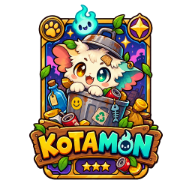
KOTAMON Characters Story Explained: The Card Hunt, Cast, and Lore Clues
Explore the KOTAMON characters story, the sister's rare-card mystery, confirmed cast roles, card mechanics, mature-content notes, and lore gaps.
The KOTAMON characters story begins with a bizarre jackpot: the protagonist's sister finds a super-rare card in a cereal box, and the protagonist becomes a garbage worker to chase the complete collection and a $1,000,000 goal. For readers searching for the KOTAMON characters story, that premise matters because the cards are not only prizes; they are the clearest window into the game's cast, tone, and collecting mystery. KOTAMON is a single-player simulation from KotaMota Games and Polnoch that combines dump-site work with hand-drawn character cards, card repair, trading, hidden finds, and character-focused collectibles.
What the KOTAMON Characters Story Actually Covers
The short version is that KOTAMON does not yet have a publicly documented character encyclopedia or chapter-by-chapter plot in the available reference material. Instead, its story is built around a strange personal mission: a valuable card appears, a collection becomes worth pursuing, and ordinary garbage work turns into a search for rare discoveries.
The official KOTAMON Steam page describes a relaxed game in which players sift through garbage, complete requests from the dump-site owner, search for misplaced treasures, and collect the Kotámon cards. The listing also uses the user-defined “Story Rich” tag, but it does not provide named chapters, dialogue transcripts, or a confirmed ending.
| Story layer | What the available sources confirm | Why it matters |
|---|---|---|
| The inciting event | The protagonist's sister finds a super-rare card in a cereal box | The collection begins with a family-related discovery rather than a conventional heroic quest |
| The central goal | The protagonist searches for the complete card collection and a $1,000,000 reward | Collecting is tied directly to the game's motivation |
| The setting | The player works through a garbage dump and can search at a relaxed pace | The unusual workplace supplies the game's setting and comic tone |
| The collectible cast | The game includes dozens of unique cards with hand-drawn illustrations | The cards introduce the recognizable faces associated with KOTAMON |
| Supporting objectives | The dump-site owner provides orders, while hidden treasures can be sold | Side tasks expand the story beyond the main card hunt |
| Character progression | Upgrades make the player better, faster, stronger, and more efficient | Progress is represented through improved work rather than confirmed character biography |
This makes the KOTAMON characters story different from a traditional role-playing campaign. The sources emphasize a collection-driven simulation, so players should expect the premise and collectible designs to do much of the storytelling. A complete list of character names, relationships, origins, or individual arcs has not been supplied.
Which Characters Are Confirmed?
The available material confirms several roles, but it does not identify a large named cast. That distinction is important. A card depicting a character is not automatically evidence of that character's name, history, or role in the protagonist's life.
The strongest evidence comes from the game's title, the Steam description, and a January 30 developer announcement from KotaMota Games about bringing KOTAMON to Steam.
| Character or group | Status | Confirmed information | Not confirmed by the sources |
|---|---|---|---|
| The protagonist | Central player role | Becomes a garbage worker to find the full collection and pursue the stated monetary goal | A personal name, detailed backstory, appearance, or dialogue style |
| The sister | Inciting family figure | Finds the super-rare cereal-box card that starts the collection quest | Whether she appears during gameplay, gives orders, or has a larger role |
| The card characters | Collectible cast | KOTAMON includes dozens of unique, hand-drawn cards featuring different characters | Individual names, powers, biographies, relationships, or a complete roster |
| The dump-site owner | Supporting role | Gives the player orders, and the game rewards players for valuable discoveries connected to the site | The owner's name, appearance, voice, or personal history |
| The artists | Creative contributors | The cards use hand-drawn illustrations created by artists | Whether the artists are represented as fictional characters |
| Potentially familiar designs | Developer-described possibility | The developer says some card characters may feel familiar to players | Any confirmed crossover, licensed identity, or official character name |
The developer's post uses a joking tone when discussing familiar-looking designs, but it does not establish a crossover roster. Until the game or its official updates identify specific characters, it is better to describe them by their card appearance, color set, condition, or collection position rather than inventing names.
This also explains why online searches for a “KOTAMON character list” may produce incomplete answers. The game clearly has a broad card cast, but the provided official material focuses on the collecting mechanics instead of publishing a lore guide.
How the Story Unfolds Through the Card Hunt
The KOTAMON characters story is best understood through the player's collecting routine. The following sequence is a practical interpretation of the mechanics described by the developer, not a claim that the game contains these exact chapters in this order.
| Gameplay stage | Player activity | Story or character clue | Useful question to ask |
|---|---|---|---|
| The discovery | Begin with the rare card found in a cereal box | Establishes why the collection suddenly matters | What makes this card more valuable than an ordinary find? |
| The search | Sift through garbage and explore the dump site | Places the character collection inside an unexpected setting | What other discarded objects might connect to the collection's world? |
| The recovery | Find cards that may be crumpled, damaged, or torn | Gives each physical card a sense of imperfection and rarity | Is this card worth repairing, swapping, or keeping as found? |
| The organization | Group cards into sets of different colors | Turns individual finds into collection milestones | Which color set is closest to completion? |
| The side hunt | Locate objects discarded by mistake or accident | Adds stories about the dump site's hidden value | Is this unusual object part of an owner request? |
| The improvement loop | Purchase or apply upgrades that increase efficiency | Shows the protagonist becoming more capable at the work | Which improvement best supports the next search session? |
The structure creates an emergent kind of narrative. A player may remember the first foil card, the damaged card that completed a color set, or the unexpected treasure that paid better than expected. Those moments are not confirmed character biographies, but they help the collection feel personal.
The premise also gives the cards a useful contrast. A character illustration may be carefully designed and collectible, while the physical card itself can be found in a place associated with waste. Repairing or swapping that card turns a discarded object into something valuable, reinforcing the game's broader theme of finding worth in overlooked things.
What the Card System Says About the Cast
The cards are the main source of information about the KOTAMON character designs. The Steam description confirms dozens of unique illustrations, different color sets, rare foil cards, and a condition system that affects value. It does not explain the fictional universe behind those images, so players should treat visual details as clues rather than established canon.
| Card feature | Confirmed detail | What it contributes to the character experience |
|---|---|---|
| Hand-drawn artwork | The game presents dozens of unique cards with hand-drawn illustrations | Gives the cast a collectible-art identity rather than making every character part of a dialogue-heavy scene |
| Color sets | Cards can be collected in sets based on different colors, with rewards for completing them | Encourages players to compare characters as part of themed groups |
| Physical condition | Cards may be crumpled, damaged, or torn | Makes the state of a character card part of its collectible value |
| Repair and swapping | Players can mend damaged cards or exchange them for better ones | Adds decisions to the collection process instead of treating every duplicate as useless |
| Rare foil discovery | An unopened cereal box may contain a super-rare foil card | Connects the opening premise to the broader search for exceptional cards |
| Mature visual content | Some illustrations show adults in revealing, tight, or sexualized poses | Sets expectations for the tone and explains why content preferences may matter |
The Steam content description states that all characters in the game are adults. It also says there are no sexual scenes or suggestive content in the game, while noting that some trading-card illustrations contain mature poses or clothing. The developer's earlier announcement described a basic SFW version and separate 18+ material in DLC. Players who are specifically researching the card cast should check the current Steam listing for the version and content details available to them.
There is no evidence in the provided sources that card characters battle, speak, level up, or join the protagonist as companions. Their confirmed function is collectible and visual. That may change through updates, but it should not be presented as existing lore without an official source.
Practical Tips for Following the Story
To follow the KOTAMON characters story without filling in unsupported lore, treat every card as both a collectible and a piece of evidence. The game rewards curiosity, organization, and attention to condition.
| Habit | What to do | Why it helps |
|---|---|---|
| Keep a collection log | Record a card's color, condition, and whether it belongs to a completed set | Makes it easier to track the character collection and identify gaps |
| Prioritize set progress | Note which color groups are closest to completion | Set rewards give individual discoveries a larger purpose |
| Inspect condition before trading | Compare damaged, repaired, and better-condition cards before swapping | The listing states that better condition increases a card's price |
| Read the owner's requests | Treat dump-site orders as short-term objectives during a search | Orders provide structure alongside the main collection goal |
| Search beyond the cards | Check unusual objects and misplaced items in the dump | Hidden treasures are a separate source of rewards |
| Upgrade with a purpose | Choose improvements that make clearing or searching more efficient | Faster, stronger, more efficient work leaves more time for collecting |
| Use achievements as milestones | Track the 40 Steam achievements listed for the game | Achievements provide measurable progress even when they are not character biographies |
For example, if a torn card appears to complete a missing color set, record it before immediately swapping it away. Its condition may reduce its price, but its place in the set may make it more useful than a duplicate. If the same card is already represented in your collection, comparing repair and trade options becomes more meaningful.
The same method works for hidden treasures. Do not assume every unusual object is connected to a named character or secret plotline. Instead, use the dump-site owner's requests and the game's reward structure to determine its practical importance. This keeps your notes grounded in what KOTAMON actually confirms.
The result is a more reliable story guide: the protagonist's motivation is clear, the sister's discovery is the catalyst, the dump-site owner supplies additional work, and the card characters form the collectible cast. Everything beyond those roles should be treated as player interpretation unless a future official update provides more detail.
FAQ: KOTAMON Characters Story
What is the KOTAMON characters story about?
The KOTAMON characters story follows a protagonist whose sister finds a super-rare card in a cereal box. The protagonist then becomes a garbage worker to search for the entire KOTAMON card collection and pursue a $1,000,000 goal. Gameplay centers on searching garbage, finding cards and hidden treasures, completing color-based sets, repairing or swapping damaged cards, and upgrading work efficiency.
Is there a complete KOTAMON character list?
Not in the available official material. The game is confirmed to include dozens of unique hand-drawn cards featuring different KOTAMON characters, but the sources do not publish individual names, biographies, abilities, or relationships. The sister, protagonist, dump-site owner, and collectible card characters are the clearest confirmed roles.
Are the KOTAMON card characters adults?
Yes. The Steam content description states that all characters in the game are adults. It also notes that some card illustrations depict revealing or tight clothing and sexual poses without full nudity, nipples, or genitals. The listing says the game contains no sexual scenes or suggestive content, so players should distinguish mature card artwork from explicit character scenes.
Does KOTAMON have a traditional story campaign?
The available information does not confirm a chapter-based campaign, named narrative arcs, or a specific ending. Steam includes a “Story Rich” user-defined tag, but the published description focuses on a relaxed simulation and collection loop. The KOTAMON characters story is therefore best approached as a premise-led, collection-driven experience until the developer publishes more detailed lore.
Related Guides
KOTAMON My Sis Found a Super Rare Card: Story, Gameplay, and Tips
Explore KOTAMON My Sis Found a Super Rare Card, its story, card-collecting loop, upgrades, features, and practical beginner tips.
KOTAMON My Sis Found Guide: Story, Cards, Upgrades, and Beginner Tips
KOTAMON My Sis Found explained: learn the story, card-collecting loop, upgrades, requirements, content notes, and beginner tips.
Kotamon My Sister Found: KOTAMON Story, Gameplay, and Tips
Discover what "kotamon my sister found" means in KOTAMON, from its cereal-box card story hook to scavenging, collecting, and beginner strategy.
KOTAMON Story Explained: The Rare Card, Garbage Job, and Collection Goal
Explore the KOTAMON story, its rare-card premise, garbage-dump gameplay loop, card repairs, upgrades, and what the sources confirm.