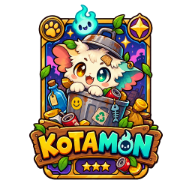
Kotamon My Sister Found: KOTAMON Story, Gameplay, and Tips
Discover what "kotamon my sister found" means in KOTAMON, from its cereal-box card story hook to scavenging, collecting, and beginner strategy.
Kotamon My Sister Found: What the KOTAMON Story Means
If you searched for kotamon my sister found, you are likely looking for KOTAMON, the single-player simulation game built around a surprising trading-card discovery. The phrase refers to the game's story setup: the protagonist's sister finds a valuable card in a cereal box, inspiring the protagonist to become a garbage worker and search discarded items for more cards.
The official Steam listing uses “My Sis” rather than “My Sister,” which explains why search results and player discussions may use slightly different versions of the phrase. In either form, kotamon my sister found points to the same KOTAMON premise: a rare card leads to a much larger hunt for the complete Kotamon collection.
View the official KOTAMON listing on Steam for the current product information.
What Does “Kotamon My Sister Found” Mean?
“Kotamon my sister found” is not a separate game or a different character name. It is a shortened description of KOTAMON's story hook.
The setup is simple:
- The protagonist's sister discovers a valuable Kotamon card in a cereal box.
- The discovery creates the possibility that other valuable cards are hidden in ordinary places.
- The protagonist takes a job collecting garbage to search through discarded items.
- The goal becomes finding more cards and completing the Kotamon collection.
The million-dollar card gives the story its opening motivation, but the game focuses on the wider process of searching, collecting, evaluating card condition, finding hidden treasures, and improving the character over time. The available official information establishes the premise and gameplay systems, but it does not provide a full scene-by-scene plot, complete character biographies, or a confirmed ending.
KOTAMON Story Explained
KOTAMON turns an unlikely career choice into a collection adventure. Instead of beginning as a professional collector with access to sealed products or specialist shops, the protagonist searches through trash. That choice creates the game's central contrast: valuable collectibles may be hidden among items that most people would ignore.
The sister's discovery is important because it changes how the protagonist sees discarded objects. A cereal box is no longer just packaging. It may represent the possibility of another rare find. That idea gives the scavenging loop a clear narrative purpose and explains why searching through garbage is central to the game.
The story should therefore be understood as a premise rather than a conventional linear mystery. The question is not only what the sister found, but whether the protagonist can discover additional cards and assemble a complete collection. Progress comes through repeated searches, better decisions, and character improvements.
How the Gameplay Connects to the Story
The KOTAMON gameplay loop supports the story at every stage. The protagonist's work as a garbage collector is not just background flavor; it is the method used to find new collectibles.
Search Through Discarded Items
The first step is exploring discarded material in search of useful or valuable finds. The setup encourages careful attention because ordinary-looking objects may contain something worth keeping.
A steady search routine is more useful than assuming every valuable card will be obvious immediately. Treat each area as a collection opportunity and avoid deciding that an item is worthless before inspecting it.
Evaluate Card Condition
Finding a card is only part of the process. Its condition matters when considering its value within the collection. Two cards of the same type may not have the same appeal if one has been damaged or poorly preserved.
Condition adds another decision to the collection system. A player must think about whether a new find is useful as a personal collection piece, valuable because it is rare, or important because it improves the current state of the collection.
Look for Hidden Treasures
The story premise suggests that valuable items can be concealed in unexpected places, and the game's hidden-treasure elements reinforce that idea. Searching is not limited to collecting obvious cards. Exploration can also reveal items that make the scavenging process more rewarding.
This gives the game a discovery-focused rhythm. The objective is broader than moving from one card to the next; it is learning where worthwhile finds may appear and recognizing opportunities during each search.
Improve the Character
Character upgrades support longer-term progress. As the protagonist improves, the search for cards becomes part of a broader progression system rather than a series of isolated finds.
Upgrades also give the story a sense of development. The protagonist begins with a strange but focused goal and gradually becomes more capable of pursuing it. The collection grows alongside the character's abilities.
Beginner Tips for KOTAMON
If you are starting KOTAMON because of the kotamon my sister found story hook, these habits should help you approach the early game effectively.
Search Methodically
Move through each available search area in a consistent pattern. A repeatable route makes it easier to notice overlooked objects and compare what you find from one search to the next.
Random movement can make it difficult to tell whether a location has actually been checked. Methodical exploration is especially useful in a game where valuable discoveries are mixed with ordinary discarded items.
Pay Attention to Condition
Do not judge a card only by its name or appearance. Card condition is part of the game's collecting appeal, so record which finds are in better shape and which ones may be more useful as duplicates or collection entries.
If the game presents multiple versions or qualities of a card, keeping track of those differences can prevent accidental oversights.
Track Your Collection
Use the collection information as a guide for future searches. A card that seems unimportant after the first discovery may become useful when you are trying to complete a set or identify missing entries.
Keeping an eye on gaps also gives each search a clearer purpose. Instead of collecting randomly, you can prioritize the cards or discoveries that move the collection forward.
Treat Upgrades as Part of Your Strategy
Character upgrades can change how efficiently you search and progress. Consider which improvements support your current bottleneck instead of choosing upgrades without connecting them to your collecting goals.
If searches are taking too long, prioritize improvements that make the process more efficient. If finding valuable items is the challenge, focus on the progression options that support discovery and evaluation.
Keep the Million-Dollar Premise in Perspective
The story begins with a highly valuable card, but that does not mean every card found will have the same value. The million-dollar discovery is the motivation that starts the adventure. It should not be treated as a guarantee about every collectible or as a complete explanation of the game's progression.
The more useful objective is to build knowledge about the collection, card condition, hidden treasures, and available upgrades.
Is KOTAMON About a Real Story?
No real-world story is established by the official game information. “My sister found” is part of KOTAMON's fictional premise, describing the event that motivates the protagonist's search.
The cereal-box discovery and garbage-collection career are narrative devices that explain the game's unusual collecting loop. They should not be interpreted as a documented account of a real card find or a real million-dollar sale.
Is “My Sister Found” the Official KOTAMON Title?
The phrase kotamon my sister found is a natural shorthand for the game, but the official Steam wording uses “My Sis.” Searchers may therefore encounter both versions.
The important identifying details are the same: KOTAMON, a sister's valuable cereal-box card, the protagonist becoming a garbage worker, and the search for additional Kotamon cards. When checking whether a page refers to the correct game, compare those details with the official Steam listing.
What Genre Is KOTAMON?
KOTAMON is presented as a single-player simulation centered on collecting and searching. Its systems combine scavenging through discarded items with trading-card collection, card-condition decisions, hidden treasures, and character upgrades.
It is best approached as a relaxed discovery and progression experience rather than a traditional story-heavy adventure. The story provides the reason to search, while the collection systems provide the main activity.
Does KOTAMON Have a Complete Story?
The available listing information explains the opening premise and the collection goal, but it does not confirm a complete plot summary or ending. Players can therefore discuss the setup with confidence, while claims about unrevealed characters, late-game events, or a final conclusion should be treated cautiously.
The clearest confirmed narrative is that the sister's card discovery motivates the protagonist to search for more valuable Kotamon cards.
Final Answer: What Is “Kotamon My Sister Found”?
Kotamon my sister found refers to KOTAMON's story premise, not a separate title. In the game, the protagonist's sister finds a valuable Kotamon card in a cereal box. The protagonist then becomes a garbage worker to search for more cards and work toward completing the collection.
The story hook explains the game's core loop, while scavenging, card condition, hidden treasures, and character upgrades shape the actual gameplay. For the authoritative game identity and current release information, use the official KOTAMON Steam page.
Related Guides
KOTAMON Characters Story Explained: The Card Hunt, Cast, and Lore Clues
Explore the KOTAMON characters story, the sister's rare-card mystery, confirmed cast roles, card mechanics, mature-content notes, and lore gaps.
KOTAMON My Sis Found a Super Rare Card: Story, Gameplay, and Tips
Explore KOTAMON My Sis Found a Super Rare Card, its story, card-collecting loop, upgrades, features, and practical beginner tips.
KOTAMON My Sis Found Guide: Story, Cards, Upgrades, and Beginner Tips
KOTAMON My Sis Found explained: learn the story, card-collecting loop, upgrades, requirements, content notes, and beginner tips.
KOTAMON Story Explained: The Rare Card, Garbage Job, and Collection Goal
Explore the KOTAMON story, its rare-card premise, garbage-dump gameplay loop, card repairs, upgrades, and what the sources confirm.