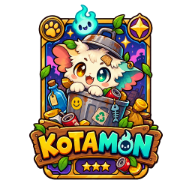
KOTAMON all art guide: Every confirmed card detail and how to find rare designs
KOTAMON all art guide covering confirmed card designs, color sets, foil finds, card condition, collection tips, and catalog limits.
KOTAMON all art: what the sources actually confirm
Searching for KOTAMON all art is really a search for two things: a reliable preview of the game's hand-drawn trading cards and a method for tracking the collection in play. This KOTAMON all art guide separates confirmed information from details that have not been published, then turns those details into a practical checklist. That distinction matters because KOTAMON connects card discovery to garbage sorting, color-set rewards, card condition, and the possibility of finding a super-rare foil.
Released on August 20, 2026, KOTAMON is a first-person simulation game from KotaMota Games and publisher Polnoch. The official KOTAMON Steam page presents the game as a relaxed collecting experience in which players search a dump site, complete orders, uncover misplaced valuables, and assemble a trading-card collection.
The available source material does not provide a complete card-by-card roster, a named artist directory, a full-resolution art archive, or official drop rates. The Steam listing does show a gameplay trailer and 14 screenshot slots, but those images should be treated as a preview rather than a complete catalog of every design.
| Evidence area | Confirmed detail | Practical meaning |
|---|---|---|
| Illustration style | The game contains dozens of unique cards with hand-drawn illustrations. | Expect a broad visual collection rather than one repeated template. |
| Collection structure | Cards can be grouped into sets based on different colors. | Track color as well as card name when building a checklist. |
| Rare finds | An unopened cereal box may contain a super-rare foil card. | Record foil status separately from the card's regular design. |
| Card condition | Cards may be crumpled, damaged, or torn into pieces. | A damaged version should not automatically be counted as identical to a restored copy. |
| Restoration and exchange | Cards can be mended or swapped for better ones. | Condition is part of the collection loop, not only a cosmetic detail. |
| Full catalog | No exact card count or complete art index appears in the supplied listing. | Avoid treating any partial screenshot gallery as the entire collection. |
What KOTAMON card art looks like in practice
The central appeal of KOTAMON's artwork is the contrast between collectible-card presentation and the messy environment where the cards are found. A valuable design may be buried in a trash pile, mixed with ordinary objects, or discovered inside an unopened cereal box. That setup gives the art a physical history: the same type of card can be valuable, damaged, repaired, or presented as a rare foil.
For anyone creating a KOTAMON all art checklist, it helps to separate the illustration itself from the item's condition and rarity. A card's visual identity answers “Which design is this?” Condition answers “How well preserved is it?” Foil status answers “Is this a special version?” Keeping those fields separate prevents an incomplete checklist.
| Card-art category | What the reference material confirms | What to record |
|---|---|---|
| Standard illustrated card | The collection includes dozens of hand-drawn designs. | Card name or identifier, dominant colors, and first discovery. |
| Color-set card | Cards can belong to sets organized by different colors. | Set color and whether the card completes or advances a set. |
| Foil card | A super-rare foil can appear inside an unopened cereal box. | Foil status, source container, and condition. |
| Crumpled or damaged card | Some cards are found bent, worn, or otherwise damaged. | Original condition and any visible changes after repair. |
| Torn card | The game can include cards torn into pieces. | Whether the pieces belong to one card and whether restoration is available. |
| Repaired or swapped card | Players can mend cards or exchange them for better versions. | Before-and-after condition and the action used. |
| Example designs | Demo material identifies a rare MerkotA card and a shiny Angel card. | Use these as confirmed examples, not as evidence of the full roster. |
The available demo material also gives a small glimpse of how cards are presented. One image description shows a rare MerkotA card with HP and ATK information visible in its inspection window. Another shows a shiny Angel card on a workbench while the player uses a toothbrush-like tool. These examples suggest that card art may be shown alongside collectible data and restoration actions, but they do not establish the complete list of cards or every statistic used by the game.
There is also a content consideration for readers seeking every illustration. Steam's mature-content notice says that some trading-card artwork depicts adult characters in revealing or tight clothing or sexual poses. It also states that there is no full nudity, nipples, or genitals, no sexual scenes, and that all characters are adults. The card-art collection therefore includes a content warning that is separate from the game's relaxed cleanup and collecting mechanics.
A practical KOTAMON all art collection workflow
The most useful KOTAMON all art strategy is a recordkeeping system that distinguishes discovery, identity, color, condition, and rarity. Since the sources do not publish precise odds, the goal is not to calculate an unsupported completion percentage. The goal is to build a personal catalog that remains useful when a card appears in a different condition or in a foil version.
Use a spreadsheet, notes app, or paper checklist with one row per card version. A simple log can look like this:
| Collection pass | Action | Information to capture | Why it helps |
|---|---|---|---|
| 1. Locate | Search trash piles, containers, and other dump-site areas. | Where the card was found and what surrounded it. | Helps distinguish ordinary discoveries from special containers or events. |
| 2. Identify | Inspect the card when its name or visual becomes available. | Name, recognizable subject, visible stats, and screenshot if available. | Prevents similar illustrations from being counted as one item. |
| 3. Classify | Sort the card by color, foil status, and condition. | Set color, standard or foil appearance, and damage level. | Separates collection progress from resale or restoration value. |
| 4. Restore | Mend damaged cards when the option is available. | Original state, repaired state, and any change in value. | Creates a history for cards that can exist in multiple conditions. |
| 5. Recheck | Compare the new entry with your existing list. | Duplicate design, missing color group, or unrecorded variant. | Reduces false completion claims. |
A few habits make the process more efficient:
- Start with visual identifiers. Names may be difficult to remember, especially when the collection grows. Record the dominant color, subject, border treatment, and any visible foil effect.
- Keep unopened cereal-box finds distinct. The official description specifically links unopened cereal boxes with super-rare foil possibilities. Do not merge a sealed-container discovery with an ordinary card find in your notes.
- Track condition before making changes. Because damaged and torn cards can be repaired or swapped, write down the original state before using a restoration option.
- Combine collecting with routine objectives. KOTAMON also asks players to fulfill orders from the dump-site owner and search for hidden valuables. Combining those activities can make a collecting session more productive without assuming that orders change card drop rates.
- Use upgrades to address your current bottleneck. Demo material shows an upgrade menu with categories labeled bag, energy, buzz, and speed. The supplied sources do not specify exact costs or effects, so compare your current limitation with the available category instead of assuming one upgrade is always best.
Do not rely on a supposed “best farming route” unless it is clearly labeled as player experience or a community report. No verified source in the supplied material establishes spawn tables, card percentages, guaranteed locations, or the number of copies required for a set.
How to verify a complete KOTAMON all art record
A complete-looking gallery can still be inaccurate if it combines regular designs, damaged copies, and foil variants without labeling them. A stronger KOTAMON all art record uses confidence levels. Mark information from the official store listing as confirmed, information shown in demo material as an observed example, and anything supplied by players as community reports.
The following table separates solid facts from details that remain open:
| Claim or data point | Confidence | Reason |
|---|---|---|
| The game has dozens of unique collectible cards. | Confirmed | Stated in the official game description. |
| Cards use hand-drawn illustrations. | Confirmed | Described directly in the official listing. |
| Different colors form collection sets. | Confirmed | The official description connects color sets with rewards. |
| Foil cards can be found in unopened cereal boxes. | Confirmed | Included in the official card-collection description. |
| MerkotA is a rare card with visible HP and ATK information. | Observed example | Identified in the available demo-page image descriptions. |
| Angel appears as a shiny card in a workbench scene. | Observed example | Shown in the available demo material's image description. |
| There are exactly a certain number of cards. | Unconfirmed | The sources say “dozens” but provide no total. |
| A specific card is the rarest or most valuable. | Unconfirmed | No official ranking or complete price table is provided. |
| A particular area has the highest card drop rate. | Unconfirmed | No official spawn-rate information is included. |
| Every card appears in the Steam screenshot gallery. | Unconfirmed | The page shows a preview selection, not a complete card archive. |
When comparing value, use a two-axis system:
- Artwork identity: Is this a design you have not logged before?
- Item state: Is it ordinary, foil, damaged, repaired, or otherwise improved?
This distinction is important because a familiar illustration may still matter if it appears in a rare foil form or in a more valuable condition. Conversely, a visually different card should not automatically be called rare simply because its art stands out. The sources confirm that foil cards are described as super-rare and that better condition increases price, but they do not publish a universal rarity ranking for every design.
For screenshots, use consistent naming. A useful filename might include the card identifier, color, condition, and version: merkota-color-condition-standard or angel-foil-workbench. Avoid naming an image “all cards” unless the image really represents the entire known set. Clear labels make it easier to update your catalog when the game receives new content or when you discover a missing variant.
KOTAMON all art FAQ
Is there an official complete KOTAMON all art gallery?
Not in the supplied reference material. The official Steam page includes promotional screenshots and a gameplay trailer, but it does not present a complete card-by-card art index. The in-game collection and your own logged discoveries are more reliable for completion tracking than the store-page preview.
How many cards are in KOTAMON?
The official description confirms that KOTAMON contains dozens of unique cards, but it does not state an exact total. Treat any precise number found in player experience or community reports as unverified unless the developers publish a complete checklist or update the official game documentation.
What kinds of KOTAMON card art can players find?
The confirmed categories include hand-drawn card illustrations, color-based collection sets, super-rare foil versions, and cards found in damaged or torn condition. Cards can also be mended or swapped for improved versions. Demo material provides MerkotA and Angel as visible examples, but those are not a complete roster.
Does card condition affect value?
Yes. The official game description says that cards can be crumpled, damaged, or torn, and that better condition makes a card more expensive. Record a card's state before and after mending or swapping so your KOTAMON all art checklist tracks both the design and the version you actually own.
Related Guides
KOTAMON Art Guide: How Hand-Drawn Cards, Condition, and Sets Shape Collecting
Explore KOTAMON art, hand-drawn cards, foil finds, card condition, color sets, and practical collecting tips from official game details.
KOTAMON Artist: What Is Known About the Game's Art
Looking for the KOTAMON artist? Learn what the public game listing confirms about KotaMota Games, the art attribution, and how to verify individual credits.
KOTAMON Card Art Guide: Rarities, Conditions, Collecting Tips, and Examples
Explore KOTAMON card art, from hand-drawn illustrations and foil finds to rarity, condition, collection rewards, and practical search tips.
KOTAMON game artist: Card Art, Credits, Visual Style, and Collector Tips
Looking for the KOTAMON game artist? Learn what the official listing confirms about card art, credits, visual style, and collecting tips.