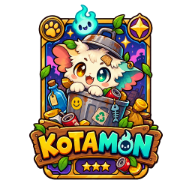
KOTAMON Art Guide: How Hand-Drawn Cards, Condition, and Sets Shape Collecting
Explore KOTAMON art, hand-drawn cards, foil finds, card condition, color sets, and practical collecting tips from official game details.
KOTAMON art is more than decoration in a game about sorting trash; it gives each ordinary pile the possibility of becoming a collectible discovery. That matters because the cards connect visual design to color-set rewards, card condition, repairs, swaps, and in-game value. Based on the official Steam listing and available demo-preview material, this guide separates confirmed details from interpretation and player experience. It explains what the cards include, how their condition affects collecting, and how to build a practical KOTAMON art checklist without inventing details about cards that have not been documented. The official KOTAMON Steam page remains the primary reference for the game's listed features.
Why KOTAMON Art Matters to the Game Loop
KOTAMON uses a distinctive premise: the player searches a dump site, completes requests, discovers hidden objects, and collects trading cards. The art is therefore part of the core reward structure. A card is not merely something to admire after the search. It can also fill a collection set, arrive in poor condition, require restoration, or become more valuable after improvement.
That makes KOTAMON art especially interesting for players who enjoy collection systems. The game combines a relaxed first-person simulation with the visual appeal of hand-drawn trading cards. Instead of rushing through a combat encounter or following a fixed checklist, players can spend time examining what they uncover and deciding what deserves attention.
| Game system | Confirmed detail | Why it matters to art-focused players |
|---|---|---|
| Core format | Single-player indie simulation with first-person and casual elements | The player can experience the collection at a relaxed pace |
| Card design | The game features dozens of unique cards with hand-drawn illustrations | The collection has visual variety rather than one repeated template |
| Collection structure | Cards can be grouped into sets based on different colors | A card's identity includes its place in a larger visual collection |
| Rare finds | An unopened cereal box may contain a super-rare foil card | Some discoveries have an extra layer of visual and collectible appeal |
| Card condition | Cards may be crumpled, damaged, or torn | Finding the illustration is only the beginning of the collecting process |
| Card economy | Players can mend or swap cards, and better condition increases price | Restoration and trade decisions affect the practical value of the art |
The supplied Steam listing also shows that the art system sits inside a larger progression loop. Players improve their ability to clear garbage, search for hidden treasures, and complete the collection. The following snapshot provides useful context for anyone deciding whether KOTAMON is the right game for a visual collecting experience.
| Snapshot item | Detail in the supplied reference material |
|---|---|
| Developer | KotaMota Games |
| Publisher | Polnoch |
| Release date | Aug. 20, 2026 |
| Genre listing | Indie and simulation |
| Review snapshot | 93% positive from 44 user reviews in the captured summary |
| Achievements | 40 Steam Achievements |
| Steam Deck status | Playable |
Review numbers and store details can change over time, so treat those figures as a dated snapshot rather than a permanent evaluation of the game's art.
What KOTAMON Art Actually Includes
The available references establish a clear visual foundation, but they do not provide a complete card catalog. The safest description is that KOTAMON offers a collection of colorful, hand-drawn trading cards with multiple conditions, set relationships, and rare foil possibilities.
| Art element | What the sources confirm | Practical interpretation |
|---|---|---|
| Hand-drawn illustrations | The official description promotes dozens of unique cards with hand-drawn artwork | Each card is intended to feel like an individual collectible |
| Color groupings | Sets of different colors provide rewards | Color can help players organize collection progress |
| Foil treatment | A super-rare foil card may appear inside an unopened cereal box | Shiny or special presentation is connected to a high-interest discovery |
| Wear and damage | Cards can be crumpled, damaged, or torn into pieces | The same collection goal may involve searching for a better condition |
| Inspection presentation | Preview images show a MerkotA card with HP and ATK information | At least some cards are presented with more than artwork alone |
| Workshop presentation | Preview material shows a shiny Angel card being examined on a workbench | Repair and inspection are part of the visual experience |
For anyone researching KOTAMON art, the most important distinction is between confirmed features and assumptions. The sources identify hand-drawn cards, color sets, foil finds, card damage, and examples such as MerkotA and Angel. They do not establish a complete list of card names, individual artist credits, official artwork dimensions, drop rates, or a separate artbook.
That limitation is useful to keep in mind. A screenshot or trailer can demonstrate the game's presentation, but it cannot prove that every card uses the same composition, rarity, or stat layout. Players should treat the currently documented cards as examples of the system rather than a complete visual index.
Content note for card collectors
The official mature-content description says that some trading card illustrations show adult characters in revealing or tight clothing and in sexual poses. It also states that the game does not include sexual scenes or suggestive content outside those illustrations, that all characters are adults, and that drinking beer is optional. Players who are specifically searching for family-friendly KOTAMON art should review the store description before purchasing.
A Practical KOTAMON Art Collection Strategy
The most useful way to approach KOTAMON art is as a cataloging task. The game does not require players to memorize every illustration immediately. Instead, a simple record of color, condition, and collection status can make decisions easier as the pile becomes more crowded with potential finds.
| Step | What to do | Why it helps |
|---|---|---|
| 1. Search carefully | Examine trash piles and use available item prompts instead of rushing past small objects | The game is designed around rummaging and hidden discoveries |
| 2. Identify the card | Note the card name or visible identifier when the interface provides one | Names make duplicate and set tracking easier |
| 3. Record the group | Mark the card's color or apparent set category | Color sets are connected to rewards |
| 4. Check condition | Separate clean, crumpled, damaged, and torn cards in your notes | Condition affects decisions about repair and value |
| 5. Inspect unusual packaging | Give unopened cereal boxes extra attention | The game specifically associates them with possible foil cards |
| 6. Choose an outcome | Decide whether to keep, mend, swap, or prioritize the card | A card's best use depends on collection progress and condition |
| 7. Improve efficiency | Use character and equipment upgrades as the search becomes more demanding | Faster or more efficient clearing creates more opportunities to find cards |
A practical collector's log can use only four columns: card identifier, color, condition, and action. Add a fifth column for whether the card completes a set. This approach prevents a common mistake in collection games: treating every visually attractive item as equally important.
For example, an ordinary-looking card that completes a color set may be more useful to your current objective than a damaged card with a striking illustration. Conversely, a card with poor condition may deserve attention if it can be repaired or swapped for a better version. The right decision depends on whether your current priority is set completion, in-game price, or simply seeing every illustration.
Player experience and control awareness
Player experience: A tester discussing the demo reported repeatedly clicking at first and later discovering that holding the input worked for collection. This is a community report, not a universal control guarantee for every release or platform, but it is a useful reminder to check the current control scheme before assuming that rapid clicking is required.
Another player experience mentioned that targeting remaining trash became more difficult as a pile emptied and suggested a centered crosshair. That feedback should not be treated as an official design rule, but it highlights a useful habit: slow down near the end of a search area and sweep the camera methodically before leaving.
Card Condition, Repair, and Visual Value
KOTAMON art has a physical dimension inside the game. The player may find a card in a poor state, repair it, or exchange it for another version. This gives the collection system more texture than a simple found-or-not-found checklist.
The sources do not give exact repair costs, swap rates, or price formulas. They do confirm that condition matters and that cards in better condition are more expensive. That makes condition worth tracking even when the illustration itself has already been identified.
| Find state | Source-backed meaning | Recommended collector response |
|---|---|---|
| Card in good condition | No damage is emphasized in the description | Compare it with your set needs before trading it away |
| Crumpled card | The game includes visibly worn cards | Consider whether restoration improves its collection or price role |
| Damaged card | Damage is part of the card-finding system | Do not discard it automatically; check whether it can be mended |
| Torn card pieces | Some cards may be found in pieces | Treat the find as a repair opportunity rather than a failed collectible |
| Repaired card | Cards can be mended or swapped | Compare the improved condition with your current collection goals |
| Foil possibility | An unopened cereal box may contain a super-rare foil | Inspect the discovery carefully before treating the container as ordinary |
| Hidden non-card treasure | Other valuable objects can be found at the dump site | Separate general treasure hunting from card-set progress |
The word “value” should also be understood in context. The available information refers to the game's internal price system, not a real-world trading card market. A foil card may be visually special, but the sources do not provide a complete ranking of rarity or a guaranteed sale price. Similarly, a repaired card may be more valuable because of its condition, but no exact multiplier is documented.
A good decision checklist is therefore:
- Does the card contribute to a color set?
- Is the card damaged, torn, or crumpled?
- Can it be mended or swapped?
- Does the interface show useful information such as stats?
- Is it connected to an unopened cereal box or foil discovery?
- Is your current goal collection completion, repair, or in-game income?
This approach keeps KOTAMON art tied to actual gameplay rather than reducing it to screenshots. The appeal comes from the combination of illustration, discovery, condition, and choice.
FAQ: KOTAMON Art
What is KOTAMON art?
KOTAMON art refers primarily to the game's hand-drawn trading card illustrations. The official description says there are dozens of unique cards, and the cards are connected to color-based sets, foil possibilities, damage states, repairs, and swaps.
Does KOTAMON include hand-drawn trading cards?
Yes. The supplied official game information specifically describes dozens of unique cards with hand-drawn illustrations. It also mentions color sets that provide rewards and unopened cereal boxes that can contain super-rare foil cards.
How can I find rare KOTAMON art cards?
Search the dump site carefully and pay special attention to unopened cereal boxes, since the game associates them with possible foil cards. However, the available sources do not provide drop rates or a complete rarity chart, so no specific search location or success rate should be presented as guaranteed.
Are the cards in KOTAMON suitable for all audiences?
Not necessarily. The official mature-content description says some card illustrations depict adult characters in revealing or tight clothing and sexual poses. It also states that all characters are adults and that there are no sexual scenes. Players should review the current store description if the content of the card art is an important purchasing consideration.
Related Guides
KOTAMON all art guide: Every confirmed card detail and how to find rare designs
KOTAMON all art guide covering confirmed card designs, color sets, foil finds, card condition, collection tips, and catalog limits.
KOTAMON Artist: What Is Known About the Game's Art
Looking for the KOTAMON artist? Learn what the public game listing confirms about KotaMota Games, the art attribution, and how to verify individual credits.
KOTAMON Card Art Guide: Rarities, Conditions, Collecting Tips, and Examples
Explore KOTAMON card art, from hand-drawn illustrations and foil finds to rarity, condition, collection rewards, and practical search tips.
KOTAMON game artist: Card Art, Credits, Visual Style, and Collector Tips
Looking for the KOTAMON game artist? Learn what the official listing confirms about card art, credits, visual style, and collecting tips.